Balancing Fitness and Fasting for Optimal Health
Ramadan is a mont of spiritual reflection, self-improvement, and fasting for millions of Muslims around the world. While fasting from sunrise to sunset an post unique challenges for maintaining a regular workout routine, staying during Ramadan is both possible ad beneficial with the right approach. Here are some effective strategies to help you maximize your workouts while respecting the requirement of fasting.
1. Timing your workout
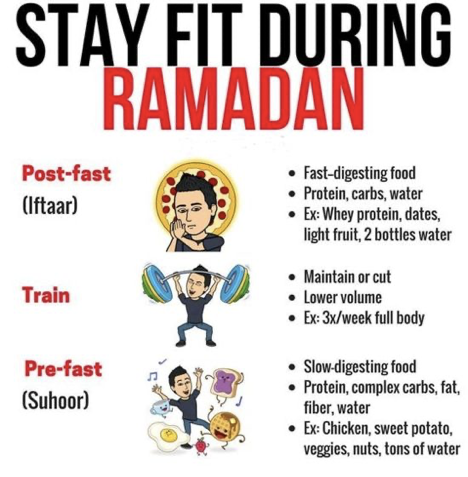
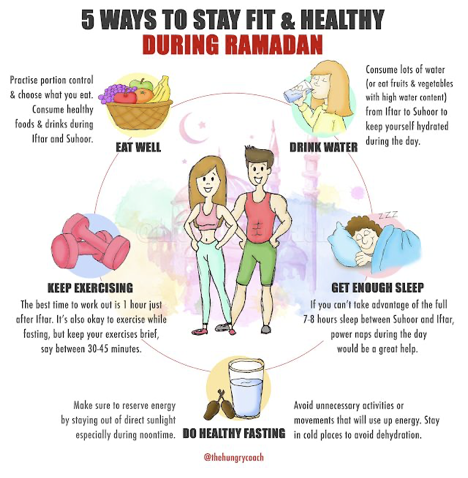
The best time to exercise during Ramadan is either right before suhoor (the pre-dawn meal) of after iftar (the meal that breaks the fast at sunset). Working out before suhoor allows you to hydrate immediately after, but since energy levels are typically lower, its best for lighter exercise like stretching or walking. Post-iftar workouts are ideal for more intense activities, as you can eat, drink, and give your body the fuel it needs to perform and recover.
2. Choose the Right Type of Exercise
During Ramadan, opt for moderate-intensity activities. Resistance training, bodyweight exercises, yoga, or brisk walking are excellent choices. These workouts are effective for maintaining strength and fitness without putting excessive strain on the body when its already experiencing limited food and water intake.
3. Listen to Your Body
It's important to pay close attention to how you feel. Fasting can affect your energy, hydration, and recovery, so avoid pushing yourself too hard. If you feel dizzy, overly fatigued, or dehydrated, stop your workout and rest. Adjust the intensity and duration of your sessions to fit your daily condition.
4. Stay Hydrated and Eat Smart
Hydration is crucial, particularly when fasting. Make sure to drink plenty of water during non-fasting hours and consumer balanced meals with complex carbohydrates, lean protein, healthy fats, and plenty of fruits and vegetables. This approach helps sustain your energy for both fasting and physical activity.
5. Set Realistic Goals
Ramadan is not the time to aim for personal bests or dramatic fitness improvements. Focus on maintaining your current level of fitness and well-being, rather than pursuing intense weight loss or muscle gain goals. Setting realistic expectations will help your motivated and avoid disappointment.
Conclusion
Working out during Ramadan is about balance, moderation, and listening to your body. By choosing the right time, intensity, and type of exercise's, along with proper nutrition and hydration, you can maintain your fitness and support your overall health throughout the holy month. Remember, the goal is to honor both your spiritual commitments and your physical well-being.